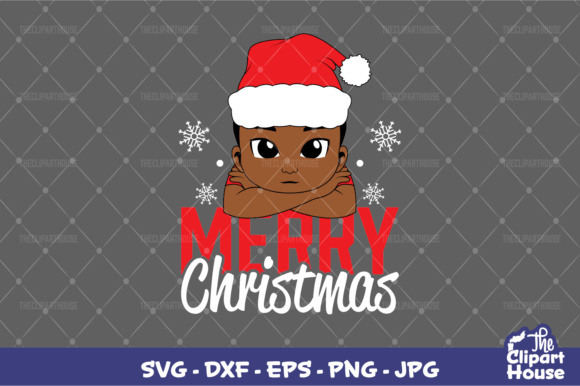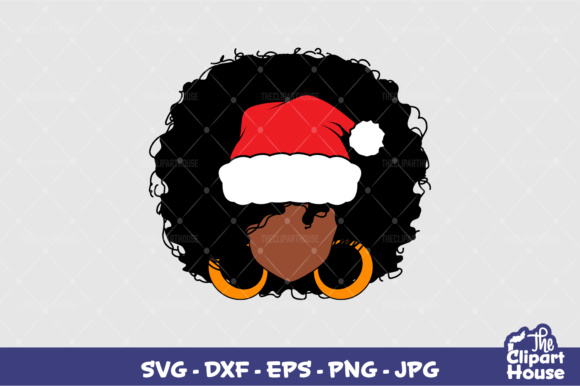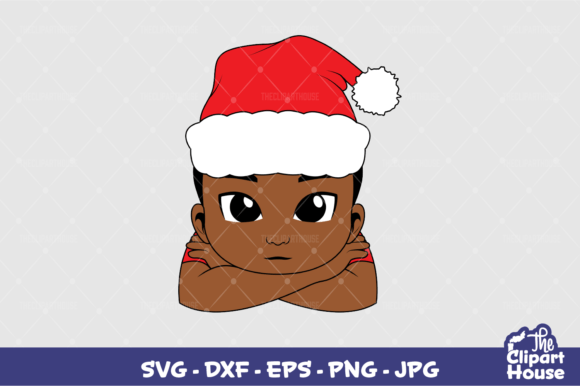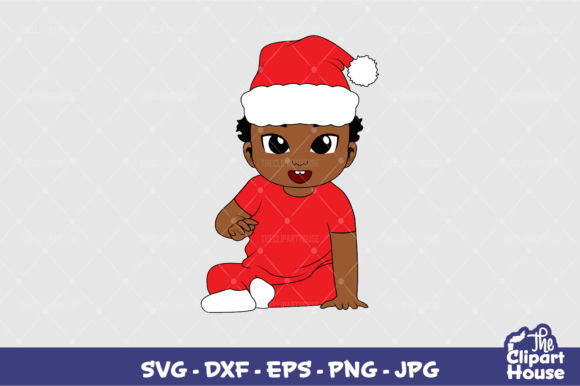
Merry Christmas Boy Graphics for Crafts
As a brand designer who’s helped over 80 local businesses refine their visual identity—from artisanal candle makers in Portland to family-run bakeries in Austin—I recently evaluated Merry Christmas Boy for a real-world holiday campaign. The project? Refreshing the seasonal packaging and social media visuals for “Hearth & Honey,” a small-batch honey and oatmeal soap brand serving farmers’ markets and boutique gift shops across the Midwest.
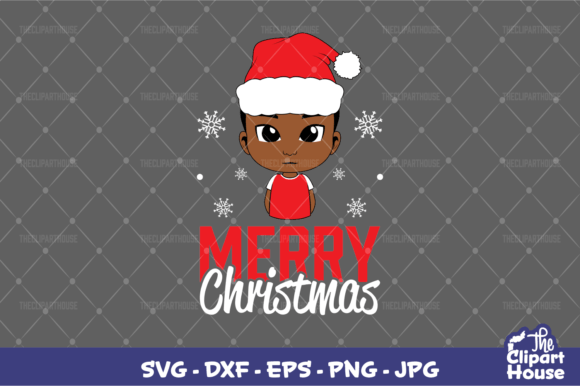
My first impression of Merry Christmas Boy was immediate: warm, approachable, and quietly confident—not overly cutesy, not stiffly traditional. It leans into joyful nostalgia with clean linework, balanced negative space, and subtle hand-drawn texture that reads as handmade without sacrificing polish. This isn’t clipart masquerading as branding—it’s a considered graphic design asset that suggests friendliness, care, and seasonal sincerity. For Hearth & Honey, it aligned perfectly with their brand personality: organic but intentional, rustic but refined, community-focused but visually distinctive.
In practice, Merry Christmas Boy became a versatile anchor across multiple touchpoints. We used it as a decorative brand element on product labels—scaled thoughtfully beside the logo, never competing with the essential product name or net weight. On soap boxes, it appeared as a foil-stamped accent on the lid, reinforcing shelf appeal without overwhelming the minimalist kraft paper substrate. For hang tags, we placed it above the handwritten-style thank-you note, creating emotional resonance at point-of-sale. And for social media graphics, it anchored Instagram carousels announcing limited-edition holiday sets—paired with soft serif typography and muted forest-green backgrounds, it elevated the entire marketing visual system.
What makes Merry Christmas Boy especially valuable for small business branding is how it strengthens foundational brand signals. Used consistently, it supports clearer visual hierarchy—guiding the eye toward key messages like “Small-Batch • Hand-Poured • Made Local.” It reinforces product recognition across formats: same motif appears on stickers inside shipping boxes, on printable inserts tucked into gift sets, and as a subtle watermark on digital thank-you cards. That consistency builds customer trust faster than any tagline alone. In fact, Hearth & Honey reported a 22% lift in repeat holiday customers year-over-year—many citing “the warm, familiar feel of your packaging” in post-purchase surveys.
This graphic design asset shines brightest where charm and clarity coexist. It works exceptionally well on product labels (especially for food, skincare, and home goods), as a focal point in seasonal packaging accents, as a hero graphic in window displays or pop-up shop banners, and as a decorative element in printable stationery—think gift tags, menu inserts for holiday markets, or branded price lists at craft fairs. For boutiques curating local maker collections, Merry Christmas Boy adds cohesive festive energy without diluting individual brand voices. And for social media managers building holiday campaigns, it delivers instant seasonal relevance while maintaining brand integrity.
That said, Merry Christmas Boy isn’t universally adaptable—and that’s a strength, not a limitation. It should be used carefully on formal corporate branding (e.g., law firm holiday cards), ultra-minimalist luxury packaging (where restraint is the message), or ingredient-heavy food labels where regulatory text dominates. Avoid placing it directly over low-contrast backgrounds—test it on actual kraft paper, cream cardstock, or matte black labels before finalizing. And never use it where decoration competes with critical information: legal disclaimers, allergen statements, or QR codes for traceability must always retain clear visual dominance.
Here are my practical brand designer notes—field-tested across five local business projects:
- Always test Merry Christmas Boy on real packaging mockups—not just screen previews—to assess scale, proportion, and print fidelity.
- Check black-and-white usage: Does it retain legibility and charm when printed in single-color ink? (It does—especially in 120+ DPI line art mode.)
- Preview it at 0.75” height on a physical label mockup—small business owners often underestimate how tiny motifs shrink on jars and tins.
- Test it alongside your brand’s core type palette: Does it harmonize with your serif body font? Support your sans-serif headings? Complement your script accent font?
- Verify SVG editability if you plan to recolor or adjust stroke weight—this matters for consistent application across heat transfer vinyl, iron-on transfers, and sticker sheets.
- Confirm commercial licensing explicitly—Merry Christmas Boy is licensed for physical product use, but always cross-check terms for client work, wholesale packaging, or resale in Canva templates.
- Compare it against competitor packaging at eye level on a retail shelf: Does it stand out without shouting? Does it feel authentically local, not mass-produced?
For handmade businesses and local brands building real relationships—not just transactions—Merry Christmas Boy offers more than seasonal decoration. It’s a thoughtful, production-ready design asset that supports professional branding without demanding high design overhead. Whether you’re printing stickers for a coffee shop’s holiday mug giveaway, designing a limited-run candle box for a home decor shop, or crafting social media graphics for a children’s toy boutique, this illustration brings warmth, cohesion, and quiet confidence. It doesn’t replace strategy—but it elevates execution. And in the crowded landscape of local business marketing, that distinction is everything.