Cute Bee Line Art Logo Vector Design
First Impressions: Light, Friendly, and Ready for Stitching
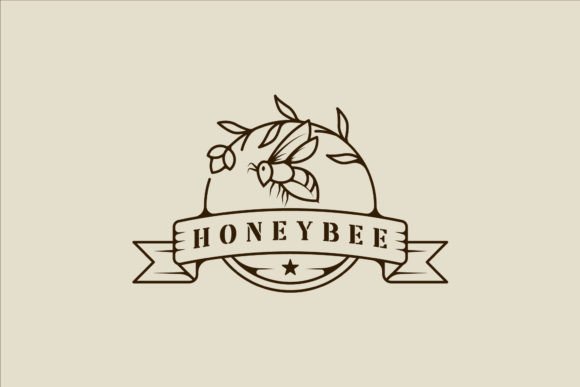
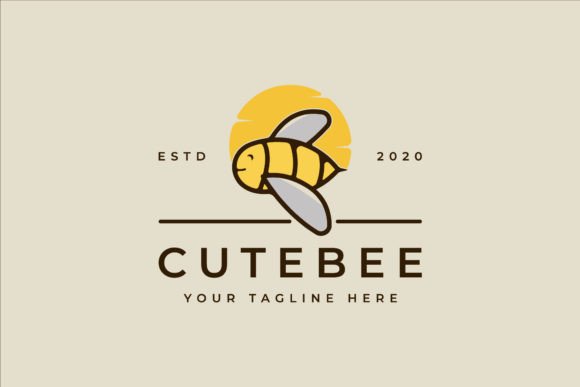
When I opened Cute Bee Line Art Logo Vector Design, my immediate thought was: “This feels like sunshine on linen.” It’s a clean, single-weight line drawing — no heavy fills, no gradients, just confident, continuous strokes outlining a cheerful bee with gentle curves, tiny wings, and subtle hive-inspired accents. The simplicity is intentional and refreshing. It doesn’t shout — it invites. That makes it ideal for embroidery projects where subtlety and charm matter more than boldness: baby onesies, organic cotton tea towels, minimalist aprons, or boutique gift tags.
A Real Project Test: Embroidering a Linen Tote for a Local Honey Shop
Last week, I prepped Cute Bee Line Art Logo Vector Design for a custom linen tote bag order from a small-batch honey producer. Their brand is warm, earthy, and handcrafted — no corporate gloss. I knew right away this design would sit beautifully centered above the pocket, stitched in soft mustard yellow thread on natural linen. But before hooping, I asked the practical questions every embroidery designer asks: Will the lines hold up at 3.5" wide? Will the delicate wing outlines disappear into fabric texture? Will customers *feel* the care in the stitch?
Where It Shines — and Where It Needs Careful Handling
Cute Bee Line Art Logo Vector Design excels in low-density, high-clarity applications. As a machine embroidery design, it translates cleanly to running stitch or fine satin stitch — especially on stable, medium-weight fabrics like canvas, denim, twill, or tightly woven cotton. I’ve used it successfully on:
- Embroidered patches for craft fair vendors
- Sweatshirt embroidery (left chest placement, 2.75" max width)
- Baby embroidery on knit bodysuits — when stabilized properly and digitized with light underlay
- Personalized gifts like pillow covers and kitchen towels where legibility and softness are key
- Digital embroidery file previews for Etsy sellers’ listings (it scales crisply in printable mockups)
But it’s not universally forgiving. On thin or stretchy fabric — think lightweight jersey or rayon challis — those fine lines can blur or pucker without precise stabilizer choice and reduced stitch density. On dark fabric, contrast becomes critical: a light thread may vanish unless you add a subtle backing stitch or switch to a slightly bolder outline digitization. And on curved surfaces like caps? Keep it under 2.25" wide and avoid placing near the bill seam — the line integrity suffers if forced around tight contours.
What It Adds to Your Finished Product — Beyond Aesthetics
This isn’t just a graphic — it’s a quiet brand amplifier. When stitched well, Cute Bee Line Art Logo Vector Design elevates perceived value. Customers notice the intention behind the line weight, the balance of negative space, the absence of visual noise. That builds trust — especially for handmade product buyers who associate clean line art with thoughtful craftsmanship. For Etsy sellers and small shop owners, it reinforces brand consistency across packaging, tags, and apparel without feeling repetitive. And yes — it boosts giftability. A honey-themed baby blanket with this bee stitched softly in ecru thread reads as heirloom-quality, not mass-produced.
Practical Notes Every Embroidery Designer Should Check
Before committing to a full run, here’s what I always do with designs like Cute Bee Line Art Logo Vector Design:
- Test on scrap fabric first — especially if using textured or loosely woven material.
- Check thread color contrast against both light and dark backgrounds; sometimes a mid-tone olive or warm taupe reads clearer than black or white.
- Review stitch density: If your digitized version adds fill or shadow, confirm it doesn’t overwhelm the line-art spirit.
- Confirm hoop size compatibility: At standard scaling (2.5–3"), it fits most 4x4 hoops — but verify before batching.
- Inspect small details — particularly the tip of the bee’s antennae and inner wing curves — they’re delicate and may need slight reinforcement in dense stitching.
- Test in black-and-white mockups to assess silhouette strength and recognition at a glance.
- Use proper stabilizer: Tear-away works for stable fabrics; cut-away is safer for knits or frequent-wash items like baby clothes or kitchen towels.
- Confirm licensing before selling finished embroidered items or bundling the design as part of a digital product — this is a Graphics asset, not automatically commercial-use by default.
Final Thought: A Quiet Workhorse, Not a Showstopper
Cute Bee Line Art Logo Vector Design won’t dominate a tradeshow booth or go viral on its own — and that’s its strength. It’s the kind of Logos asset that supports your voice instead of shouting over it. It belongs on the tag of a handmade soap bar, the hem of a nursery curtain, the sleeve of a farmer’s market apron. It’s versatile enough for holiday embroidery (think honeycomb-patterned Christmas stockings) and refined enough for wedding favors or boutique branding. Just remember: its magic lives in restraint. Respect the line. Choose your fabric and thread with intention. And let the bee — simple, sincere, and quietly confident — do the rest.