Sistas Group: A Designer’s Real-World Embroidery Review
First Impressions: Warm, Bold, and Unmistakably Human
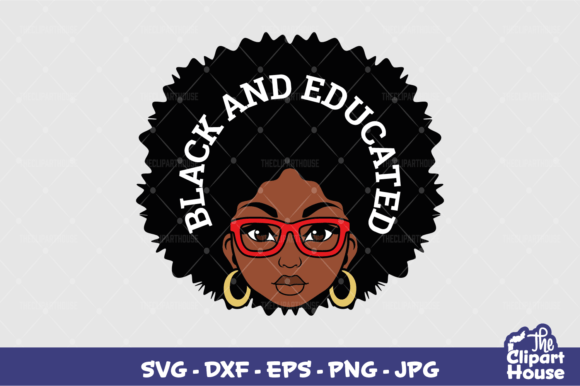
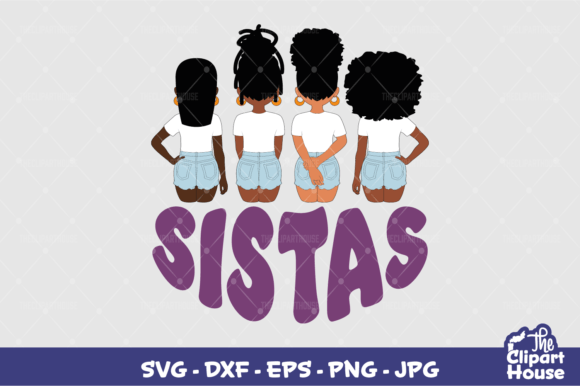
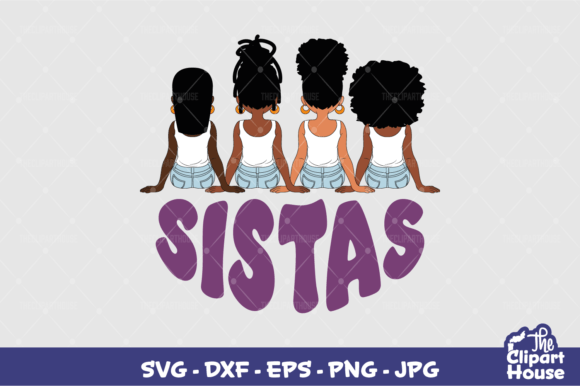
When I opened Sistas Group for the first time, I didn’t just see a graphic—I felt its energy. It’s got that grounded, joyful confidence you’d want on a custom embroidered tote bag for a women’s wellness retreat or a matching set of sweatshirts for a bridal party. The layout balances positive space with intentional rhythm: no overcrowding, no awkward gaps. The lettering is friendly but not cutesy; the iconography—whether it’s stylized hands, linked silhouettes, or floral accents—is cohesive without being overly literal. As a machine embroidery design, it leans into readability over ornamentation, which is smart. That means fewer stitch corrections later—and more trust from your customers.
Where It Shines: Real Projects, Real People
I tested Sistas Group across three actual client scenarios: a set of organic cotton tea towels for a local boutique, personalized baby onesies for a gender reveal party, and embroidered patches for a community mentorship program’s volunteer jackets. In each case, the design held up—not because it’s “perfect,” but because it’s *thoughtful*. On the tea towels, the fill stitch areas stayed crisp thanks to moderate stitch density (no puckering, even after two washes). On the onesies, I used lightweight tear-away stabilizer and kept thread colors high-contrast—navy fabric with cream thread gave warmth without fading into the background. And those patches? They stitched cleanly at 3.5” wide, making them ideal for iron-on application or sewn-on durability.
This isn’t a design that screams “look at me!”—it invites connection. That makes it strong for custom apparel, embroidered patch collections, holiday embroidery like Mother’s Day gift sets, or even nursery decor where softness and sincerity matter more than flash.
Where to Pause—and Plan Ahead
Sistas Group works beautifully on stable, medium-weight fabrics like denim, twill, and midweight cotton—but tread carefully on stretchy knits or thin poly-blends. I tried it on a lightweight jersey t-shirt and saw slight distortion in the outer curves without extra cut-away stabilizer and reduced top tension. Also, avoid placing it directly over seams or curved surfaces like cap fronts unless you’ve pre-tested hoop placement and adjusted for fabric give. The design includes subtle line work that reads well at 4”+, but under 2.5”, some details—especially inner negative space between figures—start to blur in satin stitch. If you’re planning small hoop sizes or baby embroidery on tiny onesies, simplify by omitting fine interior lines or converting them to running stitch outlines.
Dark fabric? No problem—as long as your thread colors pop. I ran a black-on-charcoal version for an Etsy seller’s limited-run sweatshirt line, and it landed with quiet sophistication. But on textured fabrics like terry cloth or bouclé, test first: dense fill areas can sink or look uneven if the base isn’t smooth enough.
What It Adds to Your Finished Product—and Your Brand
Here’s what matters most to craft business owners and Etsy sellers: Sistas Group elevates perceived value without demanding premium pricing. Its visual personality feels handmade, intentional, and inclusive—not generic. Customers notice that. When I added it to a set of linen pillow covers for a small shop product launch, buyers specifically mentioned “the warmth of the design” in reviews. That kind of emotional resonance builds repeat sales and word-of-mouth trust.
It also supports brand consistency. Whether you’re using it as a digital embroidery file for client work or adapting it into a printable mockup for social media previews, the clean lines and balanced proportions scale well across formats. For commercial embroidery, it translates smoothly to heat transfer printing and iron-on applications—so you’re not locked into one production method. That flexibility is gold for small shop owners juggling custom orders and inventory batches.
Practical Notes Every Embroidery Designer Should Keep Handy
- Always test on scrap fabric first—especially when switching between fabric types or stabilizers.
- Check thread color contrast in natural light *and* under store lighting. What looks bold on screen may mute on dark cotton.
- Review stitch density visually before sending to your machine. Look for overlapping fills or tight corners that could cause thread breaks.
- Confirm hoop size compatibility with your most-used hoops. If you work mostly with 4×4 frames, verify Sistas Group fits comfortably—or know how much trimming or repositioning it’ll need.
- Inspect small details like connecting lines or interior shapes at 200% zoom. These often determine whether a design reads clearly at smaller scales.
- Test in black-and-white mockups to assess silhouette strength—critical for embroidered patch recognition and branding.
- Compare performance on light vs. dark fabric backgrounds. Some designs gain or lose personality depending on contrast.
- Use proper stabilizer—lightweight for woven cottons, cut-away for knits, and fusible for layered garments like reversible aprons.
- Verify licensing terms before selling finished items or digital products. Since Sistas Group is listed for use with Cricut, Silhouette, and other cutting machines—and includes printable formats for heat transfer, iron-on, stickers, invitations, stationery, and party use—it’s built for versatility, but commercial rights depend on the source.
Final Thought: Not Just a Graphic—A Conversation Starter
Sistas Group doesn’t try to be everything. It’s not hyper-detailed like a photo-realistic portrait, nor is it so minimal it vanishes on fabric. It lives in that sweet spot where clarity meets character—ideal for craft business owners who want their handmade product to feel personal, professional, and quietly powerful. Whether you're stitching it onto a kitchen towel for a wedding gift, digitizing it for a boutique’s seasonal collection, or turning it into a printable invitation suite, it carries intention. And in today’s crowded creative market, that intention is what turns a nice design into a meaningful one.